Philosophy
私たちの研究哲学Our Research Philosophy
本研究室のコンセプトは、Larry Leifer 教授をはじめとする、スタンフォード大学 機械工学科のデザイングループ(Design Division / Center for Design Research)が半世紀以上にわたって築いてきた工学教育から大きな影響を受けています。1957年、心理学者でもあった John Arnold がスタンフォードで始めた創造性教育に端を発し、Robert McKim の言葉「デザインは、人間のニーズへの応答である(Design is a response to human needs)」に象徴される人間中心の哲学が、機械工学の中で受け継がれてきました。この半世紀にわたる歴史は、CDRの Jan Auernhammer 博士と Bernard Roth 教授による論文(Auernhammer & Roth, 2021, Journal of Product Innovation Management)に詳しくまとめられています。Leifer 先生はこの流れを引き継ぎ、デザインを個人ではなく人と人のあいだで起こる社会的なプロセスとして捉え、チームの協働を科学的に研究する道をひらきました。Our lab's concept is deeply shaped by the engineering education built over more than half a century by the design community in Stanford University's Mechanical Engineering department (the Design Division / Center for Design Research), led by figures such as Professor Larry Leifer. It traces back to 1957, when John Arnold—also a psychologist—began teaching creativity at Stanford, and a human-centered philosophy symbolized by Robert McKim's words, "Design is a response to human needs," has been carried forward within mechanical engineering. This half-century history is documented in detail by CDR's Dr. Jan Auernhammer and Professor Bernard Roth (Auernhammer & Roth, 2021, Journal of Product Innovation Management). Professor Leifer inherited this lineage, understanding design as a social process that happens between people rather than within an individual, and pioneering the scientific study of team collaboration.
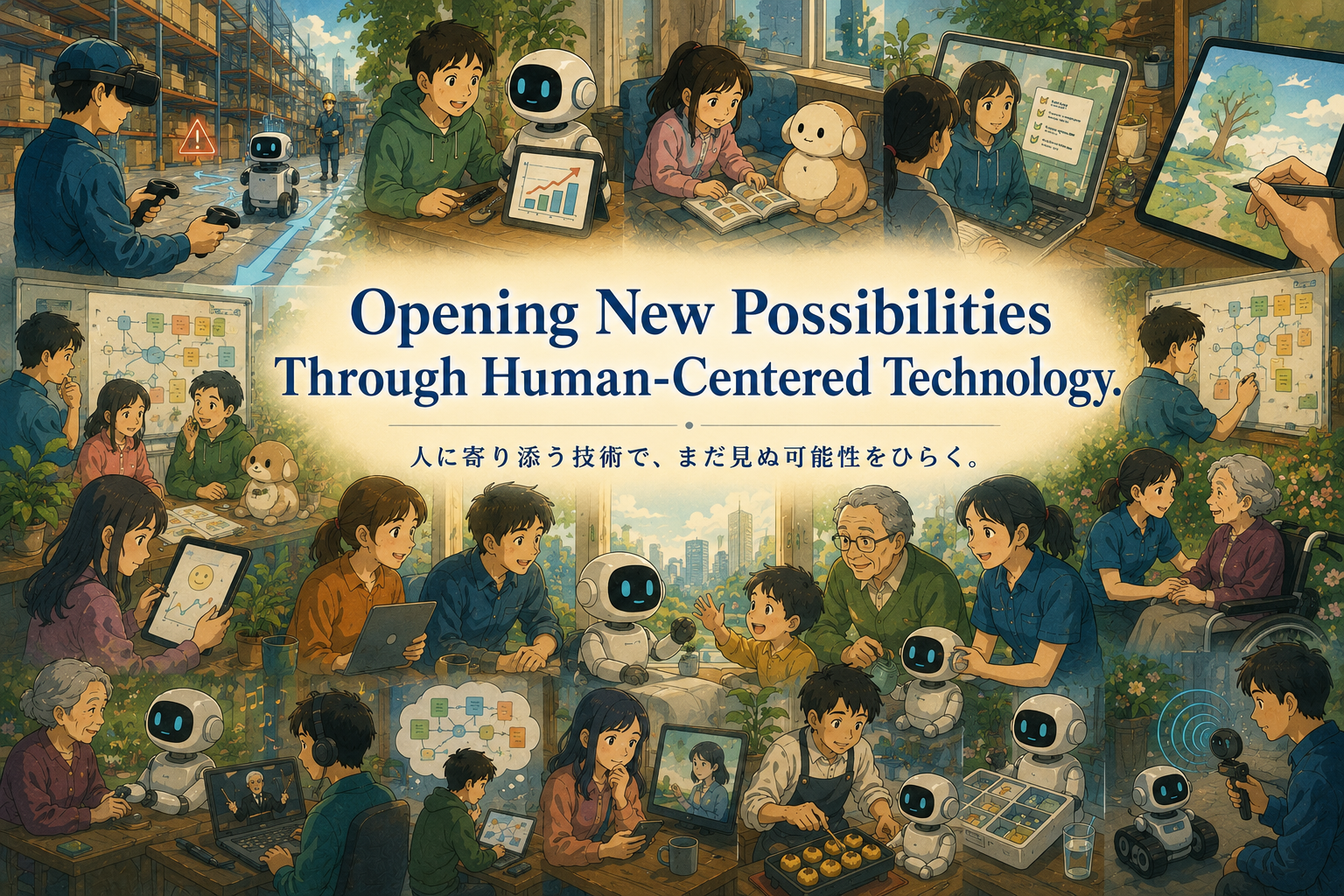
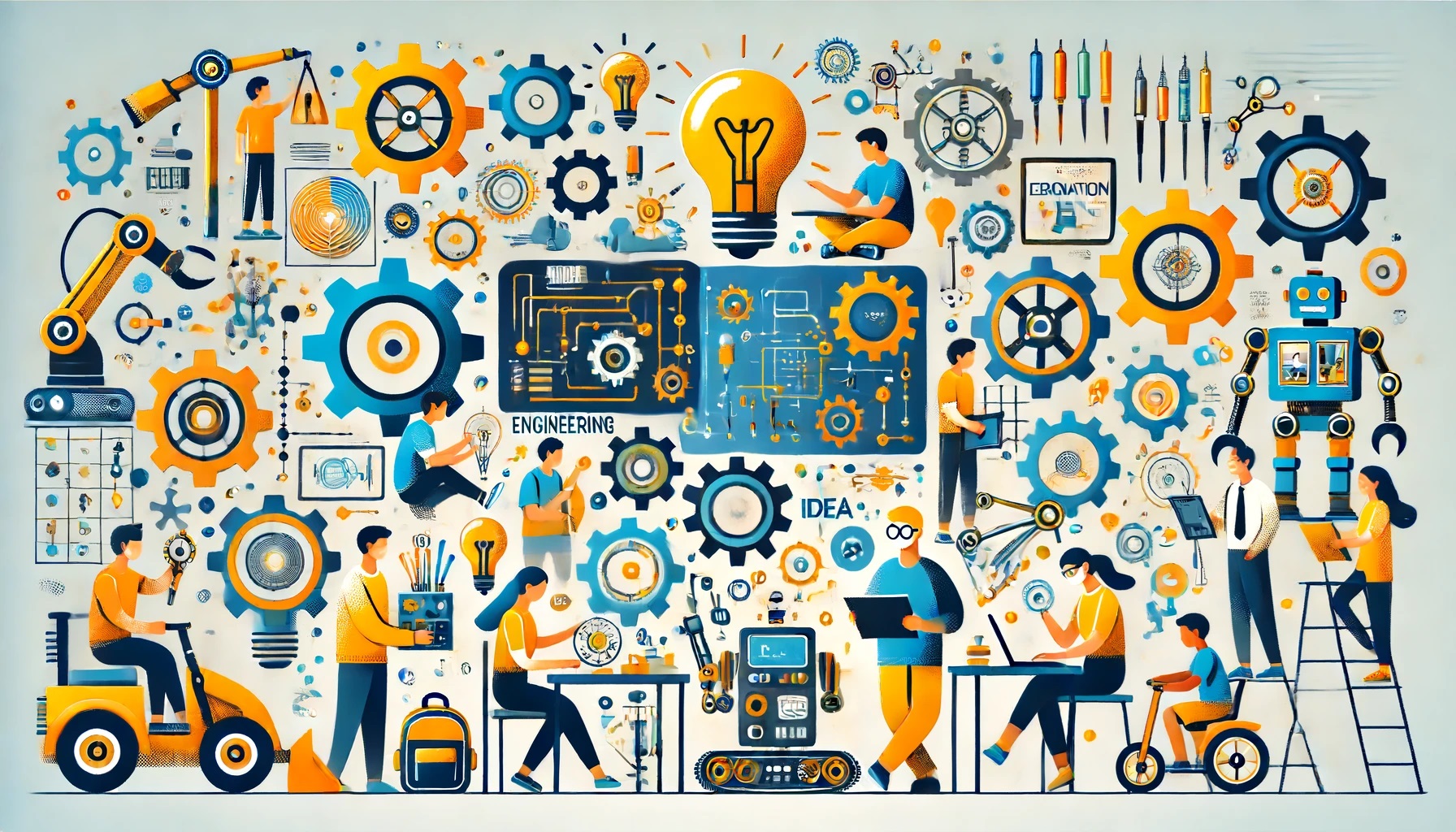
そして私たちは、AI(人工知能)が急速に進化するいまこそ、工学教育そのものを問い直す時期にあると考えています。技術が「何を作れるか」を大きく広げる時代には、「なぜ・誰のために作るのか」を問う人間中心の視点がますます重要になります。デザイン思考は、AGI(汎用人工知能)と人間が協働し、まだ答えのない課題に挑むための、次世代の工学教育の中核となる——私たちはそう確信し、日本のものづくりの現場でこの新しい枠組みに挑戦しています。We believe that now—as artificial intelligence advances rapidly—is precisely the time to rethink engineering education itself. In an era where technology vastly expands "what we can build," a human-centered perspective that asks "why, and for whom, do we build" becomes ever more essential. We are convinced that design thinking will be at the core of the next generation of engineering education—enabling humans and AGI (Artificial General Intelligence) to collaborate and tackle problems that have no answers yet—and we are taking on this new framework within the practice of manufacturing in Japan.
この系譜のなかで私たちがとりわけ大切にしているのが、「より良いデザインの種は、いまのデザイン実践の中にすでにある」という信念のもと、デザイナーが実際に何をしているのかを丁寧に観察する実証的(Empirical)な態度です。思いつきや直感だけに頼るのではなく、人の行動やチームの対話を根拠として、より良いものづくりの方法を明らかにしていきます。Within this lineage, what we especially value is an empirical stance—carefully observing what designers actually do, guided by the belief that "the seeds of better design are already present in current design practice." Rather than relying on hunches or intuition alone, we ground our work in human behavior and team dialogue to reveal better ways of making.
そして、この研究室がもっとも大切にしているのは「People with a Paradigm(パラダイムを携えた人々)」という考え方です。研究の真の成果は、論文やシステムそのもの以上に、そこで学び、考え方を身につけて世界へ巣立っていく“人”にある——CDRの研究者たち(Ju, Aquino Shluzas & Leifer, 2016)が示したこの哲学を受け継ぎ、私たちは日本の「ものづくり」の現場に人間中心設計を根づかせ、次の時代をひらく人を育てることを目指しています。Above all, this lab treasures the idea of "People with a Paradigm." The true outcome of research lies not so much in papers or systems themselves, but in the people who learn here, internalize a way of thinking, and go out into the world. Inheriting this philosophy articulated by CDR researchers (Ju, Aquino Shluzas & Leifer, 2016), we aim to embed Human-Centered Design into the practice of manufacturing in Japan—and to nurture the people who will open up the next era.